
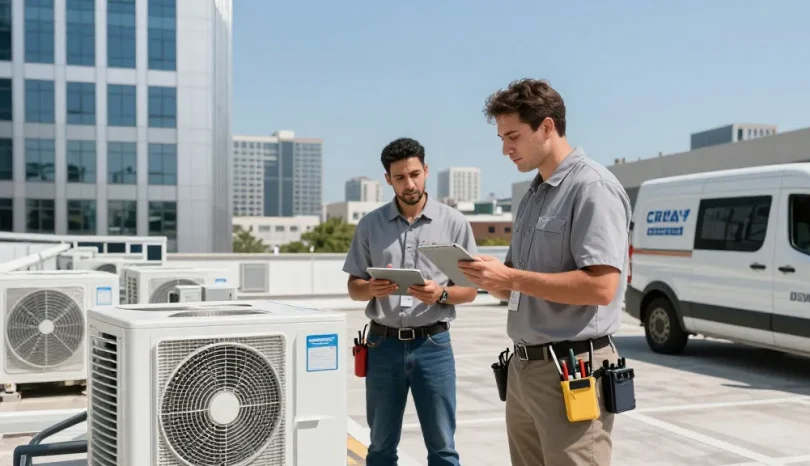
Getting the Commercial Maintenance Contractors Edge in 2026
Understanding the Role of Commercial Maintenance Contractors
In the fast-paced world of business, facilities require constant attention to maintain their operational efficiency. This is where commercial maintenance contractors play a pivotal role. These specialized professionals ensure that various aspects of commercial properties, from HVAC systems to plumbing and electrical needs, are well-maintained. With the right contractor, businesses can enhance their productivity and prolong the lifecycle of their facilities.
What Are Commercial Maintenance Contractors?
Commercial maintenance contractors are firms or individuals that provide a broad range of maintenance services tailored specifically for commercial properties. Their expertise spans various areas including building repairs, preventive maintenance, and emergency services. These contractors possess the necessary skills and knowledge to address the unique needs of commercial establishments, ensuring that they comply with safety regulations and perform optimally.
The Importance of Regular Maintenance for Businesses
Regular maintenance is essential for any business, as it directly impacts operational efficiency and cost management. Neglecting maintenance tasks can lead to significant problems, including equipment failure, safety hazards, and even costly downtime. By engaging commercial maintenance contractors, businesses can avoid these pitfalls and create a proactive maintenance plan that safeguards their assets.
Common Services Offered by Commercial Maintenance Contractors
- Facility Management: Overseeing the smooth operation of the entire facility.
- HVAC Services: Maintenance and repairs of heating, ventilation, and air conditioning systems.
- Plumbing and Electrical Works: Comprehensive maintenance of plumbing and electrical systems to prevent issues.
- Cleaning and Janitorial Services: Regular cleaning to maintain hygiene standards in commercial environments.
- Landscaping and Grounds Maintenance: Keeping outdoor areas tidy and attractive.
Choosing the Right Commercial Maintenance Contractor
Selecting a commercial maintenance contractor is a critical decision that can influence your business operations. It is vital to evaluate potential candidates based on their experience, services, and reputation in the industry.
Key Qualities to Look For in a Contractor
When searching for a commercial maintenance contractor, consider the following qualities:
- Experience: The contractor should have a proven track record in the commercial sector.
- Licenses and Insurance: Ensure they are properly licensed and insured to perform work in your region.
- Service Range: A contractor offering a wide range of services can be more beneficial for comprehensive maintenance needs.
- Customer Reviews: Positive feedback from past clients is a good indicator of reliability and quality.
How to Evaluate Potential Maintenance Contractors
Evaluating potential contractors involves several steps:
- Researching their background and checking references.
- Requesting quotes and understanding their pricing structure.
- Assessing their availability for ongoing maintenance needs.
- Inquiring about their emergency response protocol.
Questions to Ask Before Hiring
Before you finalize your choice, consider asking these questions:
- What specific services do you offer?
- Can you provide references from similar projects?
- What is your response time for emergencies?
- How do you handle unforeseen issues during maintenance?
Best Practices in Commercial Maintenance
Implementing best practices in commercial maintenance can greatly enhance service delivery and operational efficiency.
Preventive Maintenance Strategies for Businesses
Preventive maintenance is crucial to avoid costly repairs and unexpected downtime. Strategies include regular inspections, scheduled service for equipment, and creating an asset management plan that outlines maintenance tasks.
Leveraging Technology in Maintenance Operations
Technology is increasingly important in maintenance operations. Utilizing software for tracking maintenance schedules, inventory, and work orders can streamline operations and improve communication between contractors and businesses.
Environmental Considerations in Maintenance Practices
Businesses should also consider environmentally friendly practices in their maintenance. This includes using sustainable materials, reducing waste, and implementing energy-efficient systems to minimize the environmental footprint.
Cost Management and Budgeting for Maintenance Services
Effective cost management is essential for businesses looking to maintain their properties without overspending.
Understanding Maintenance Costs: What to Expect
The costs associated with maintenance services can vary widely depending on the type of service and the size of the facility. Businesses should aim to understand potential costs to budget appropriately.
Budgeting Tips for Commercial Maintenance
To manage maintenance costs effectively, businesses should:
- Set aside a specific budget for routine maintenance.
- Consider a preventative maintenance contract to lock in rates.
- Regularly review expenses to identify cost-saving opportunities.
Long-term Financial Benefits of Regular Maintenance
Investing in regular maintenance may incur costs upfront but can lead to significant long-term savings by extending the lifespan of assets and reducing emergency repair expenses.
Future Trends in Commercial Maintenance Services
The landscape of commercial maintenance is continuously evolving, driven by technological advancements and changing business needs.
Emerging Technologies Impacting Maintenance Operations
Technologies such as IoT (Internet of Things) devices for monitoring equipment and AI-based analytics tools for predictive maintenance are transforming how maintenance is performed, enhancing efficiency and reducing costs.
Trends in Sustainability for Commercial Maintenance
As sustainability becomes more essential, businesses are focusing on green maintenance solutions. This includes using eco-friendly products and adopting practices that reduce energy consumption.
Preparing for the Future: Skills and Training for Contractors
Future maintenance professionals must adapt by acquiring new skills related to technology, sustainability practices, and customer service. Ongoing training and development will ensure they remain competitive and effective in the changing landscape.
What is the role of technology in commercial maintenance?
Technology plays a pivotal role in streamlining maintenance operations. From maintenance management software to automated systems that monitor equipment performance, technology enhances accountability, efficiency, and ultimately, the quality of service.
How can businesses choose the right maintenance contractor?
Choosing the right maintenance contractor requires thorough research, considering factors such as experience, service variety, and customer reviews. It’s crucial to ensure that the chosen contractor aligns with the business’s specific needs.
What are the benefits of regular maintenance?
Regular maintenance provides numerous benefits, including enhanced safety, improved operational efficiency, and the prevention of costly repairs. Ultimately, it ensures that a business runs smoothly.
How does technology enhance maintenance practices?
Technology enhances maintenance practices through tools that facilitate better communication, track maintenance schedules, and assess equipment health in real-time, leading to proactive, rather than reactive, maintenance strategies.
What future trends can be expected in facility maintenance?
Future trends in facility maintenance will likely include greater reliance on technology for predictive maintenance, increased emphasis on sustainability, and an ongoing need for skilled contractors who can navigate these advancements effectively.